法拉利电车因太丑遭群嘲,《纽约时报》用词有创意
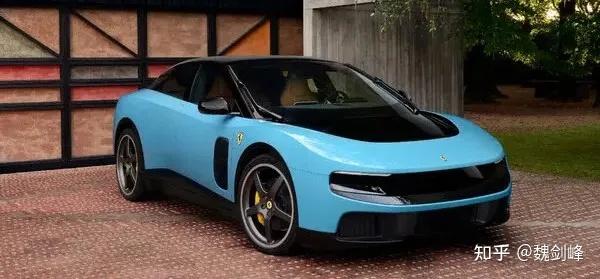
前几天法拉利推出了备受瞩目的首款纯电车型,名为Luce(在意大利语里面指的是“光”)。它由苹果前首席设计师Jony Ive操刀设计,但还是因为造型太丑而翻车了。
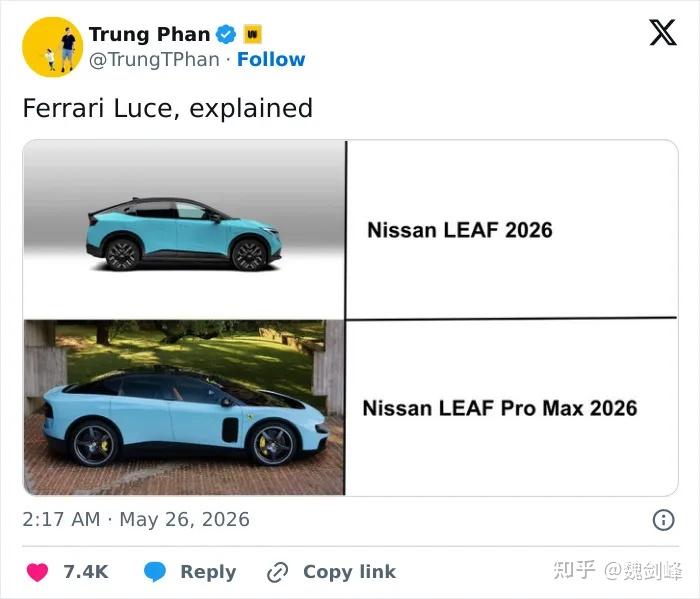
Luce的售价高达64万美金,但外观跟卖3万美金的日产聆风差不多:
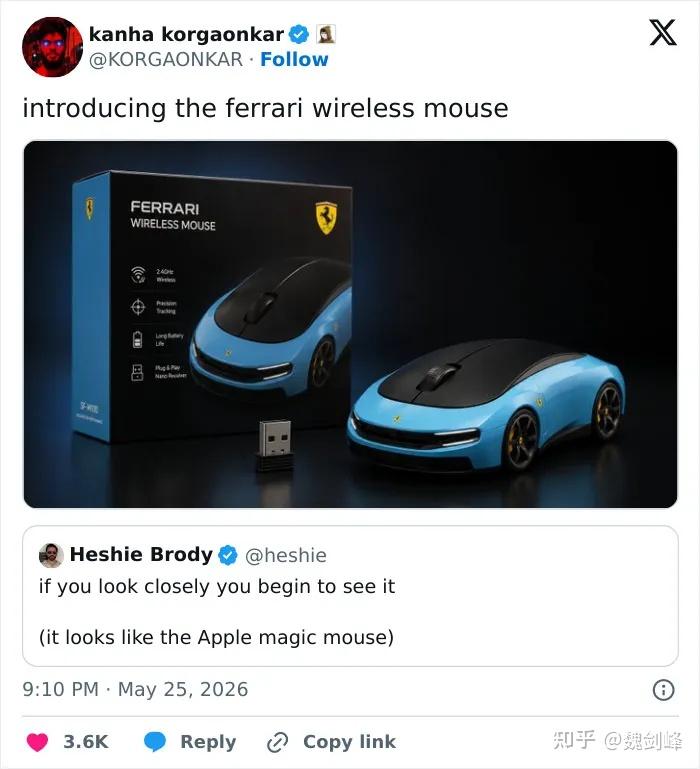
还有人吐槽它长得像无线鼠标,现在连相关的梗图都做出来了:
法拉利股价也因为新车风评太差而直线跳水。
对此,纽约时报的标题写得很有意思:
Ferrari’s First Electric Car Runs Into Backlash in Italy and Beyond
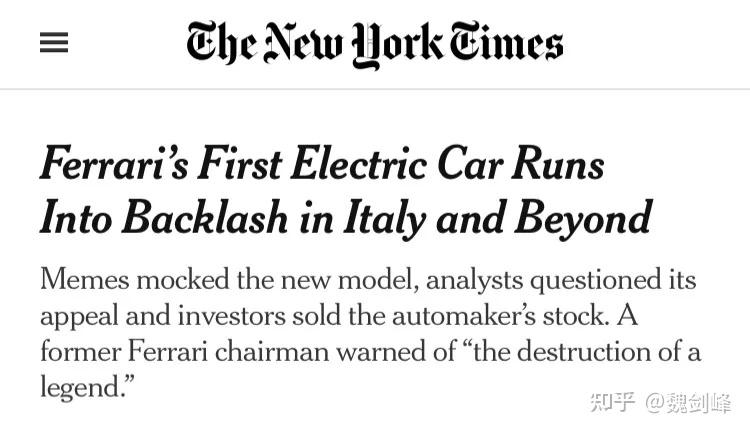
标题的亮点在于 run into backlash,其中run into字面意思是“开车撞上……”
比如:He ran into the back of another car. 他开车撞到另一辆车的尾部。
run into还有一个引申义“遭遇困难或麻烦”,比如:run into trouble/problem 遭遇困难/问题。
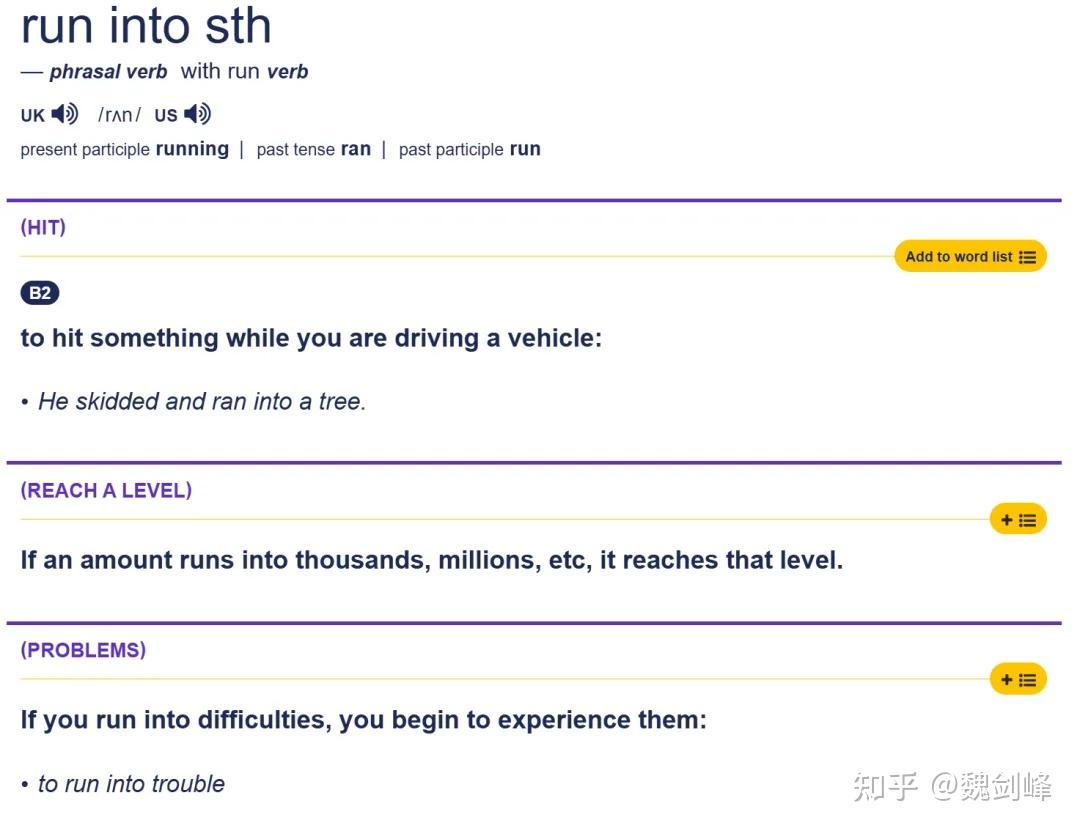
backlash指的是“强烈抵制,强烈反对”。单词常见搭配是face backlash,正常情况几乎见不到run into backlash这样的搭配。
作者之所以要这样写,是因为run into backlash更有画面感,给人感觉就像法拉利电车撞上了反对的声浪。这也更加符合本文的汽车主题。
如果写成:Ferrari’s First Electric Car Faces Backlash,那么效果就比较平庸了。
in Italy and Beyond出现了省略,完整版是 in Italy and beyond Italy
整个标题可以翻译成:法拉利首款电动车在意大利内外撞上抵制潮。
其他外媒在报道的时候也刻意用上了run into这个表达,比如下面的例子:
Ferrari has run into a wall of derision over the launch of its first electric car, which was branded a lookalike of Nissan’s Leaf that sells for almost 15 times more.
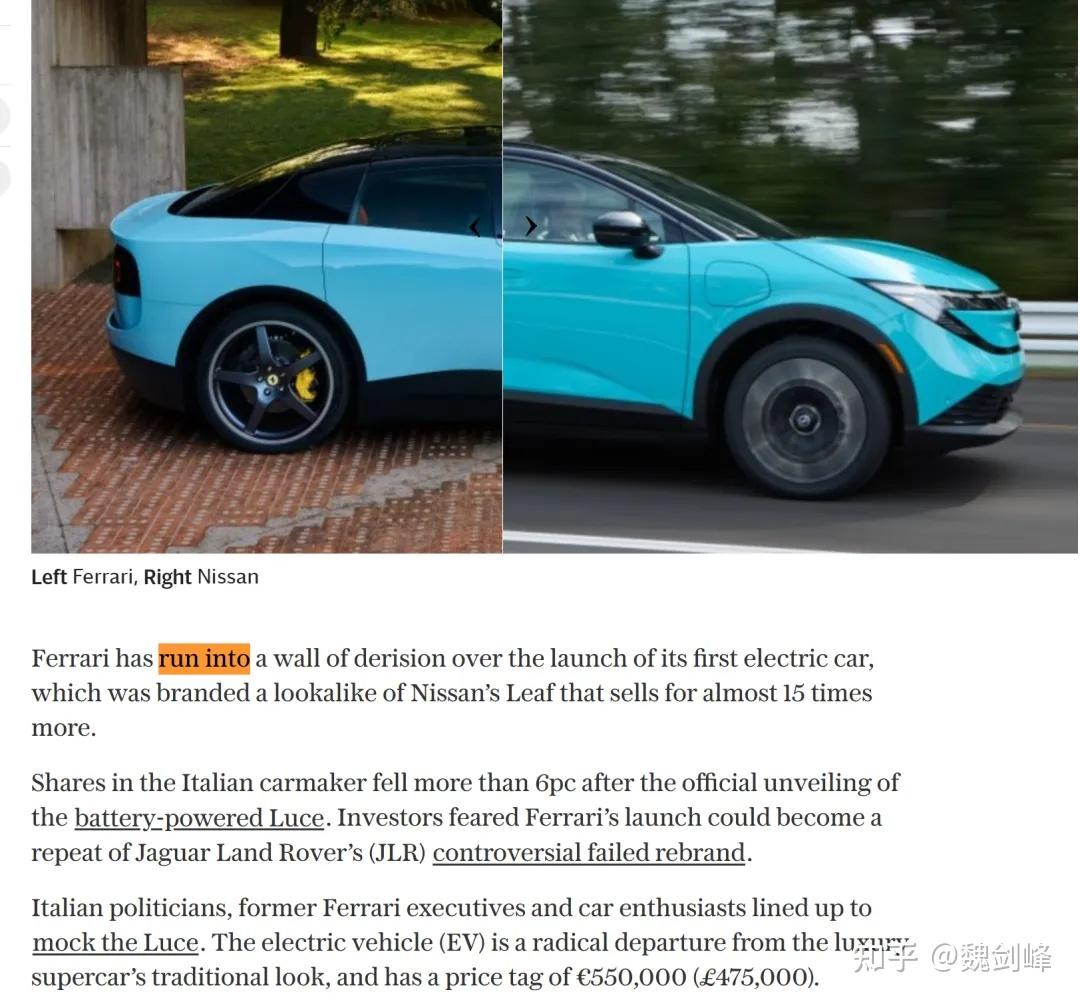
作者写得更加直观:run into a wall of derision,其中derision是“嘲笑,嘲讽”。
run into a wall of derision很有画面感,相当于“撞上了一堵嘲笑之墙”。
which was branded a lookalike of Nissan’s Leaf… 这里which指的是its first electric car
be branded something意思是“被贴上……的标签”,lookalike是“外表相似的事物”,a lookalike of Nissan’s Leaf即“外观像日产聆风的车子”。
that sells for almost 15 times more 这里that引导一个限制性定语从句,但它指的是its first electric car,而不是Nissan’s Leaf,这种在语法上称为隔位修饰。
整段话由此可以理解为:法拉利首款电动车刚发布就遭遇了铺天盖地的嘲笑。这款车被指责为日产聆风的翻版,价格却高出近15倍。